
Eating at a BBQ restaurant with dietary restrictions or allergies
By Tom Chilton · Updated 2026-08-07
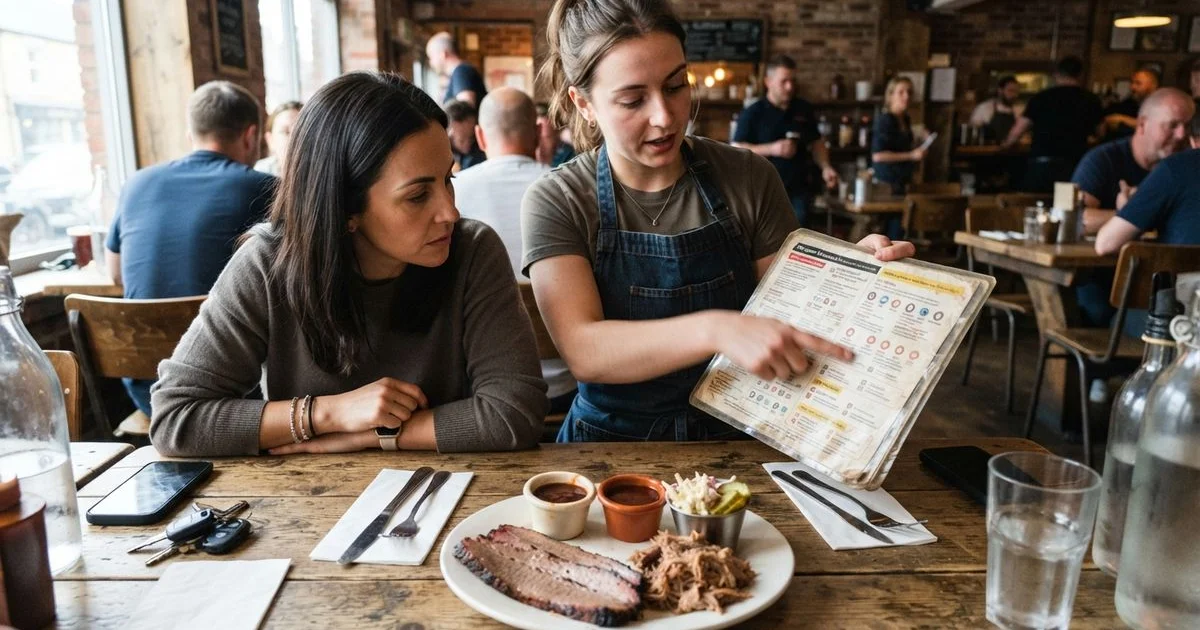
This guide covers general information based on common practices at Central Florida BBQ restaurants, not medical advice. If you have a serious food allergy, always confirm directly with restaurant staff and use your own judgment about the level of risk you are comfortable with.
Dietary restrictions and BBQ can feel like an awkward combination, smoked meat sounds simple, but rubs, sauces, and shared cooking surfaces introduce more variables than people expect. Here is what to actually watch for.
Pork-free and non-pork alternatives
Pulled pork and pork ribs are staples at most BBQ restaurants, but they are rarely the only option. Beef brisket, smoked chicken, and smoked turkey breast show up as non-pork alternatives at many Central Florida spots, and are worth asking about directly if pork is off the table for you. Sides can be a hidden issue even when the main dish is not, baked beans, collard greens, and other traditional sides are sometimes cooked with pork fat or bacon for flavor, so ask specifically about sides too, not just the meat.
Gluten and BBQ: it is about the rub and sauce, not the meat
Plain smoked meat, just meat, salt, pepper, and smoke, is often naturally gluten-free. The risk shows up in dry rubs that may include ingredients with gluten, and especially in sauces, where thickeners, soy sauce, or malt vinegar can introduce gluten without it being obvious from a menu description. If gluten is a concern, ask specifically about the rub and sauce ingredients rather than assuming the meat itself settles the question.
| Item | Usually a concern | Why |
|---|---|---|
| Plain smoked meat | Low | Often just meat, salt, and smoke |
| Dry rub | Sometimes | Some rubs include gluten-containing fillers |
| BBQ sauce | Often | Thickeners, soy sauce, or malt vinegar can contain gluten |
| Buns and bread sides | High | Standard wheat bread unless a gluten-free bun is offered |
| Fried sides | Sometimes | Shared fryer oil with breaded items is a cross-contact risk |
Keto and low-carb: watch the sugar, not the meat
Smoked meat on its own tends to fit a low-carb or keto plan well, but sauces and some rubs commonly include sugar, sometimes a meaningful amount, to balance the smoke and vinegar or to help build a glaze. Asking for sauce on the side lets you control exactly how much you add, and a plain rub without a sweet glaze is generally a safer default if you are watching carbohydrates closely.
Cross-contamination: a real risk worth asking about
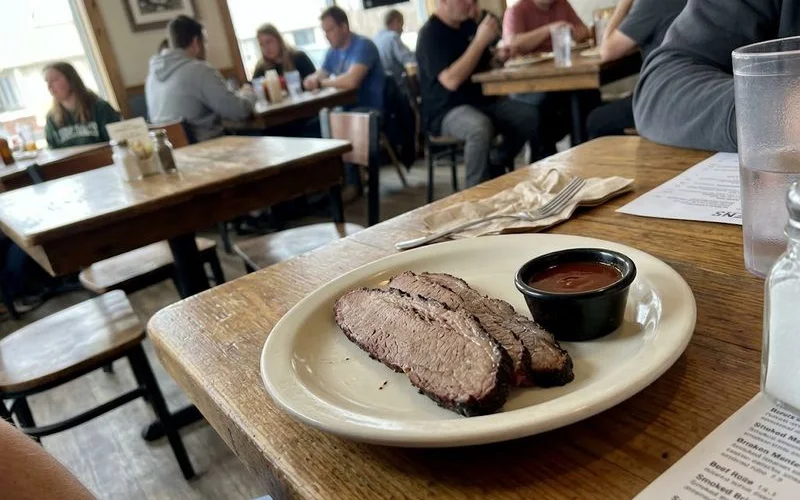
BBQ kitchens commonly use shared smokers, shared cutting boards, and shared prep surfaces across different meats and sides. For most diners this is a non-issue, but for anyone managing a serious allergy or a strict dietary restriction, it is worth asking about directly rather than assuming. A restaurant that takes this seriously will usually have a straightforward answer about how they handle it, separate cutting surfaces, changed gloves between prep tasks, or a specific process for allergy requests. A vague or dismissive answer is a reasonable signal to ask more questions or choose a different item. For events where BBQ is catered outdoors, food safety adds another layer worth understanding; see food safety for outdoor BBQ catered events in Florida heat.
Dairy and other common restrictions
Dairy shows up less often in the meat itself but can appear in sides, mac and cheese and creamy coleslaw dressings are the two most common culprits, and occasionally in cornbread recipes that use buttermilk. Vegetarian and vegan diners have a harder path at a BBQ restaurant by design, since the format centers on smoked meat, but sides like collard greens, baked beans, and slaw can sometimes work as a meal if they are not cooked with meat fat, which again comes back to asking directly rather than assuming from the menu description alone.
How to ask without holding up the line
A short, direct question usually gets a better answer than a long explanation of your restriction. Something like “does the sauce have gluten in it” or “is there pork fat in the beans” is easy for staff to answer quickly. For anything more serious, like a true allergy rather than a preference, asking to speak briefly with a manager or the kitchen directly is worth the extra minute, since front-of-house staff do not always know every ingredient by heart.
Looking for a spot that fits your needs? Check the review signals we use to rank listings across Central Florida on our how we score page, then start from the homepage to browse every BBQ style in the region.
Common questions
- Is smoked meat usually gluten-free?
- Plain smoked meat often is, since the base is just meat, salt, and smoke, but rubs, marinades, and especially sauces can contain gluten-based thickeners or soy sauce derivatives. Always ask about the specific rub and sauce rather than assuming, since recipes vary a lot between restaurants.
- What non-pork options are common at Central Florida BBQ restaurants?
- Beef brisket, smoked chicken, and smoked turkey breast are the most common non-pork alternatives, and many restaurants that serve pulled pork also carry at least one of these. Always confirm directly, since not every menu lists non-pork options clearly, and some sides may be cooked with pork fat or seasoning even if the meat itself is not pork.
- Can I trust that a keto-friendly item has no hidden sugar?
- Not automatically. BBQ sauces, dry rubs, and even some marinades often contain sugar, which can catch keto or low-carb diners off guard even on items that seem obviously low-carb, like plain meat. Asking for sauce on the side and checking the rub ingredients is the safest approach.
- How real is the cross-contamination risk at a BBQ restaurant?
- It is a genuine concern worth asking about directly, since shared smokers, cutting boards, and prep surfaces are common in BBQ kitchens, and cross-contact between meats or with gluten-containing rubs can happen even when a restaurant is trying to be careful. If you have a serious allergy, speak to a manager rather than a server, and do not assume a dish is safe without confirming.