
How to spot a great traditional smokehouse BBQ joint
By Tom Chilton · Updated 2026-07-20
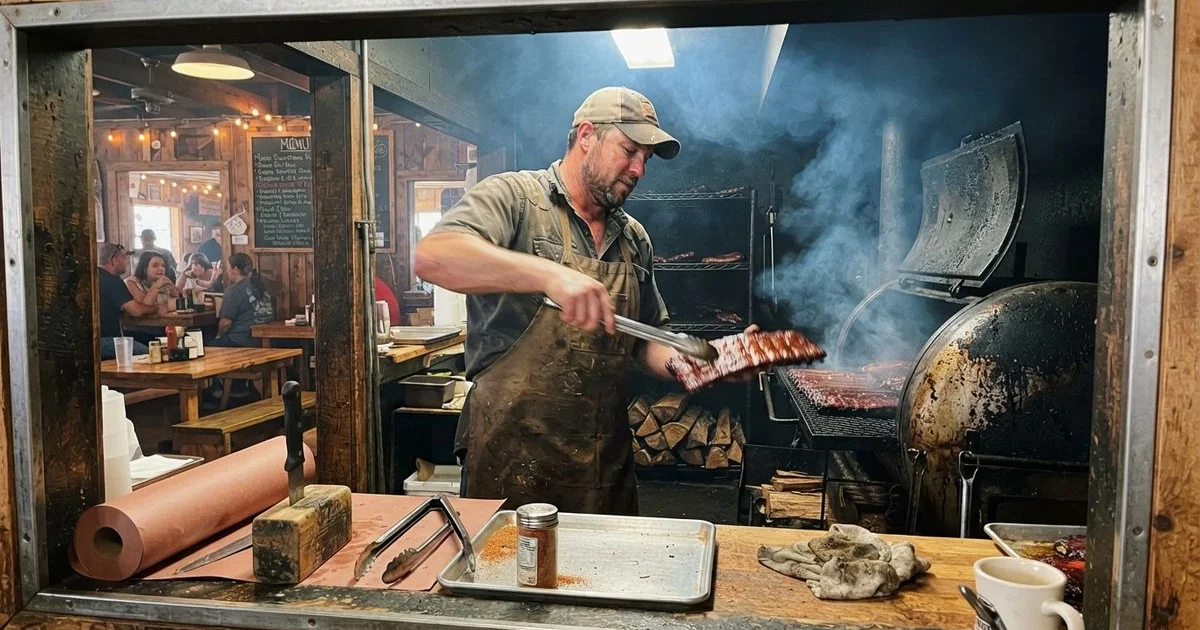
Traditional smokehouse BBQ lives and dies on things you can actually see and smell before you take a bite. Central Florida has a deep bench of smokehouses, from Orlando to Sanford, and the difference between an average plate and a great one usually comes down to a handful of details that are easy to check in the first two minutes of a visit.
This guide is built from the recurring feedback pattern we see across smokehouse BBQ listings in the region: the same praise (tender, well-seasoned meat, generous portions) and the same complaints (inconsistent quality between visits, meat that varies by day) show up again and again. Knowing what to look for helps you land on the good visit more often.
Start with the bark, not the sauce
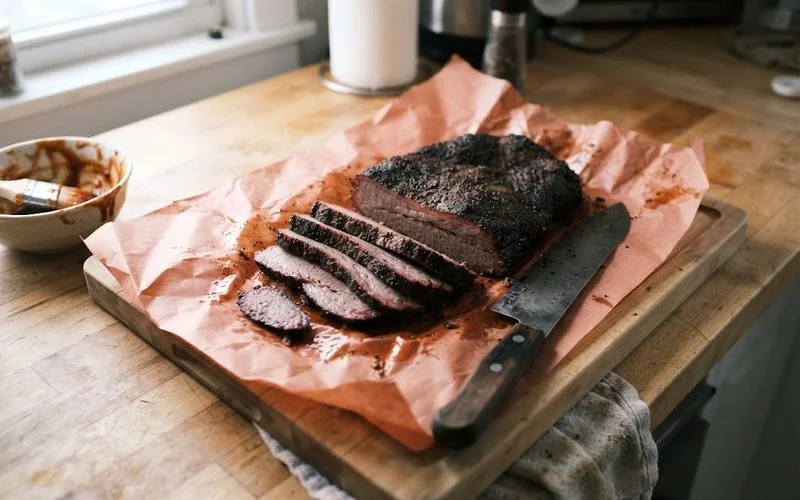
Bark is the dark, flavorful crust that forms on the outside of brisket, pork shoulder, and ribs during a long, low-temperature smoke. It should look dry to the touch, almost black in spots, and slightly crumbly at the edges, not soft, pale, or shiny. A wet, gray exterior usually means the meat sat wrapped too long after it came off the smoker, which softens the crust and mutes the flavor a rub and smoke session worked hours to build.
If you can see the meat before ordering, whether through a case, a pass-through window, or a photo on the wall menu, check the bark first. It tells you more about the cook than almost anything else on the plate.
Look for the smoke ring on brisket and ribs
The smoke ring is the thin pink or reddish band just under the surface of the meat, visible when it is sliced. It forms from a chemical reaction between smoke and the meat during a proper low-and-slow cook, and while it does not by itself guarantee flavor, its absence on a place that claims to smoke everything in-house is worth asking about. A kitchen that finishes meat in an oven or reheats it from frozen often will not produce a clear ring.
Judge moisture with your eyes before your fork
Sliced brisket should hold together but glisten slightly and pull apart easily along the grain. Pulled pork should look loose and slightly shiny, not dry or stringy. Ribs should show a slight tug when you pull the meat off the bone, not fall apart into mush and not require real effort. Central Florida diners consistently flag “tender, flavorful meat” as the top reason they return to a spot, and dryness or toughness as the top reason they do not.
What separates a consistently good smokehouse from a hit-or-miss one
| Signal | Good sign | Warning sign |
|---|---|---|
| Bark | Dark, dry, slightly crumbly crust | Pale, wet, or steamed-looking exterior |
| Smoke ring | Visible pink band on sliced brisket | No ring on meat advertised as house-smoked |
| Portion consistency | Similar cut size and amount plate to plate | Noticeably smaller or larger portions on repeat visits |
| Staff knowledge | Can answer basic questions about wood and cook time | Vague or avoids the question entirely |
| Sides | Made fresh, changes slightly day to day | Same tired, dried-out sides sitting under a heat lamp |
| Timing | Brisket, ribs sold out late in the day (a good sign they do not over-hold meat) | Meat available all day every day at the same volume |
That last row surprises people: running out of brisket by mid-afternoon is common at smokehouses that smoke a set batch fresh each morning rather than holding a giant backlog. It is a small inconvenience for a walk-in, but it is often a sign the kitchen is not stretching old meat to cover a slow day.
What to ask before you order
A few short questions tell you a lot in under 30 seconds:
- How long has the brisket been resting since it came off the smoker?
- What wood do you use, and does it change by season?
- Is the pulled pork pulled to order or held in a warmer?
None of these require an expert answer. What matters is whether the person behind the counter has one at all. Staff who know their product tend to work in kitchens that take the product seriously.
When inconsistency is the real issue
The most common complaint across Central Florida smokehouse reviews is not bad food outright, it is inconsistency: a great visit followed by a mediocre one at the same address. This usually traces back to volume swings, short staffing during peak hours, or a pit that is pushed harder on a busy Saturday than a quiet Tuesday. If your first visit disappoints, it does not necessarily mean the kitchen is bad, it may mean you caught it on an off day. A second visit at a different time, ideally closer to opening when the first batch of the day is fresh, is a fair way to give a spot another shot before writing it off.
Generous portions are the most consistently praised trait across the region’s smokehouses, so if a plate feels light for the price at a spot that is otherwise well reviewed, it is worth mentioning to staff. Most kitchens would rather fix a portion on the spot than lose a repeat customer over it. Want to control the smoke yourself instead of judging someone else’s? Our guide to DIY backyard BBQ versus hiring a caterer walks through that tradeoff.
Ready to compare specific spots? Listings are scored using the same signals covered here, drawn from real, recent review data. See how we weigh them on the how we score page, or start from the homepage to browse every style covered in Central Florida.
Common questions
- What is the fastest way to judge a smokehouse without tasting anything first?
- Look at the meat case or the pass-through window. A good smokehouse shows a dark, dry bark on brisket and ribs, moisture on the cutting board, and a visible pink smoke ring on a sliced brisket end. If the meat looks pale, wet-steamed, or gray, that is a sign it was held too long or smoked too fast.
- Does a long line mean the BBQ is good?
- Often, but not always. A steady line at lunch usually means the pit is turning over meat quickly, which keeps it fresh. A line that has not moved in 20 minutes with only a few staff working the counter is more often a sign of being short-staffed than a sign of quality.
- Is sauce a good way to judge a smokehouse?
- Not on its own. Smoked meat should taste good before sauce touches it. If a spot pushes sauce heavily on every plate and the meat underneath is bland or dry, the smoke and rub work is likely weak. Good smokehouses treat sauce as an option on the side, not a cover-up.
- Should I ask what wood they use?
- It is a fair question and a good sign when staff can answer it clearly. Oak, hickory, and pecan are common in Central Florida smokehouses and each changes the flavor. A pitmaster or counter staff who can tell you the wood and roughly how long the brisket smoked usually knows the product well.